
Have they no shame?
The government must not abandon the Afghan people

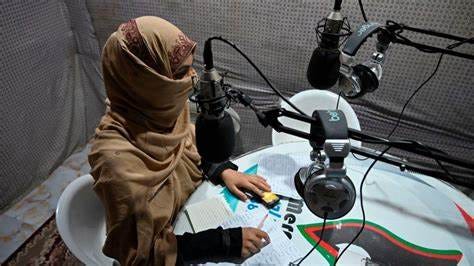
Two months ago, Index on Censorship reactivated a network for Afghan journalists originally set up in 2021 when the Taliban entered Kabul. We were pleased to discover a number of journalists we had been in contact with at the time had managed to get out of the country: to Germany, Canada and Pakistan. Not a single person had reached the UK.
On 18 August 2021, The UK government announced the Afghan Citizens Resettlement Scheme (ACRS), which promised to resettle up to 20,000 people at risk, with 5,000 in the first year.
Priority would be given to “those who have assisted the UK efforts in Afghanistan and stood up for values such as democracy, women’s rights and freedom of speech, rule of law (for example, judges, women’s rights activists, academics [and] journalists)” and “vulnerable people, including women and girls at risk”.
This has simply not happened. Minsters have consistently justified a tougher immigration policy by announcing that those at risk at persecution can use “safe routes” to reach the UK. For Afghans at least, these just do not exist.
Our network (set up using the messaging app Signal) reported that some journalists had reached Pakistan or Iran, only to find themselves in danger of deportation back to Afghanistan.
At the beginning of February a young woman journalist in the group wrote that she had “gone through hell” since leaving Kabul. “There is no safety, no job opportunities, inflation is high. There is much discrimination, racism and prejudice in the society and there is hostility towards Afghan people in general and women in particular,” she said.
In March we signed an open letter along with the National Union of Journalists, English PEN and PEN International to appeal for some clarity from Home Secretary Suella Braverman on the ACRS. What was she doing to honour her government’s promises to the Afghan people.
Meanwhile, exiled journalist Salma Niazi, founder of The Afghan Times, called on Britain to open its doors as promised. She outlined the desperate situation for those stranded in Pakistan: “Most Afghan journalists’ visas have expired and they are threatened with deportation and imprisonment. They also face economic problems. They have spent the money they brought with them and now cannot afford to eat. The increase in prices in Pakistan and the lack of work permits for Afghan journalists has made life difficult for them and their families. They are very willing to sell their kidneys to cut their daily expenses.”
Gary Lineker’s intervention may have been controversial in the UK, but it was a welcome boost for members of our group. Sports journalist Saeedullah Safi personally thanked his British colleague: “Gary Lineker’s dedication towards providing… support for refugees is truly commendable. His passion for advocating for their rights is an inspiration to all of us who share the same goal of creating a better world for everyone.”
At the end of March Spozhmai Maani and Rizwan Sharif issued a direct appeal: “Western countries must open their doors so that we can access work, education and free speech and expression which we have been denied in our own country. But everyone can help protect Afghan journalists and create opportunities for them within Afghanistan and in exile. Engage with Afghan journalists through fellowships, scholarships, workshops, training and other opportunities to save the media from dying.”
The Spring edition of Index contains a long read on the situation for Afghan journalists, which also pays tribute to the fine work being done by the Association of European Journalists.
And what is the Home Office doing? We understand it will set out its plans “in due course”, but how many Afghan journalists will have sold their kidneys before one of their colleagues arrives via the UK government scheme?
Please find and watch Lt. Col Mann testifying before Congress about our withdrawal from Afghanistan. He asks, “What does an American promise mean?” I cried all morning, you know, being human, and the granddaughter of a WWll Guadalcanal Marine Lt. Col Roy L. Walters who said US wars were all about money. Thank you for this.